The Strength of Weakness and the Weakness of Strength
Topics: Articles
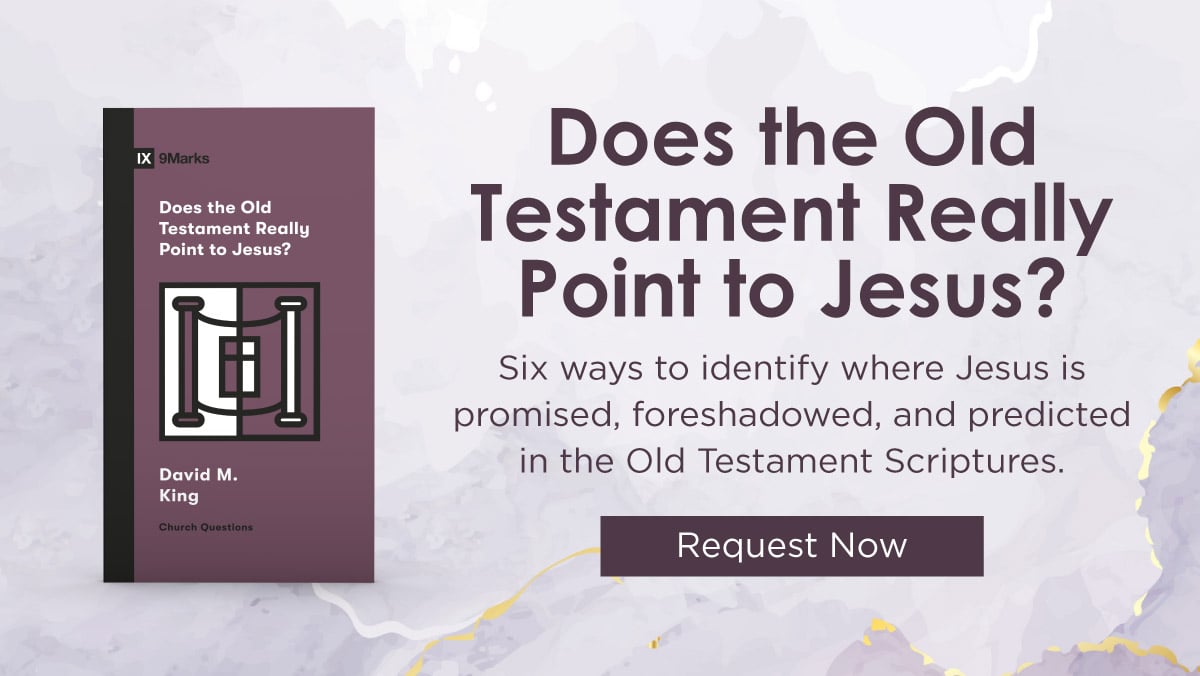
Does the Old Testament Really Point to Jesus?
Does the Old Testament Really Point to Jesus? explains six different ways you can identify Jesus foreshadowed and promised in the books of the Old Testament. You’ll even learn how the law of Moses points forward to Christ.
Continue reading …Topics: Monthly Resources
Wallpaper: The Great Reversal
“God is in charge of the great reversals; He turns us from darkness to light, from sadness to joy, from death to life.”
—Alistair Begg
Topics: Weekly Wallpaper

Lessons from a Former Demoniac — Extraordinary Encounters with Jesus
The Bible is a book about Jesus. While we certainly should read our Bibles with personal application in mind, we must ultimately ask, “Where is Jesus in this passage?”
Continue reading …Topics: Articles
Wallpaper: Keep His Commandments
“For this is the love of God, that we keep his commandments. And his commandments are not burdensome.”
1 John 5:3
Topics: Weekly Wallpaper

Comfort for Those Who Are Doubting God’s Presence
Writing in Psalm 139, David asks several thought-provoking questions. Having already marveled at the fact that God knows everything (vv. 1–6), he probes further: “Where shall I go from your Spirit? Or where shall I flee from your presence?” (v. 7). In other words, David asks whether a believer can hide from God. “Can I find an escape route,” the psalmist wonders, “from the God who searches me and knows everything about me?” It’s a question that deserves our attention.
Continue reading …Topics: Articles

Thoughts for Times of Trouble
Dear Friend,
I hope this letter finds you in good heart as spring arrives, bringing with it fresh evidence of God’s promise in Genesis 8:22. (Look it up.) For many of us, it is a long-anticipated day when the clocks change and we “spring forward.” We then discover that during the dark days of winter, a great deal has been happening unseen, laying the groundwork for the appearance of crocuses, green leaves, and the colors of the season.
Continue reading …Topics: Letters From Alistair Begg
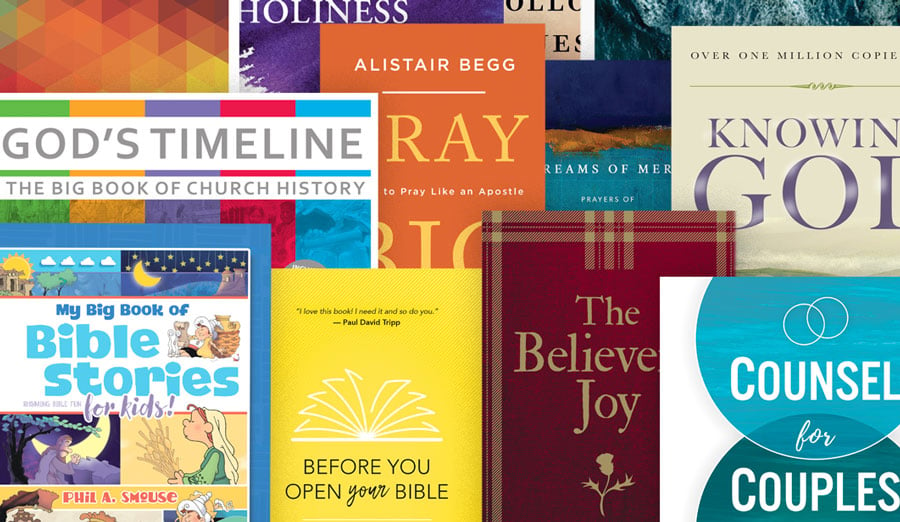
Past Resources from Truth For Life
At Truth For Life, we take great care to select books each month that cover a diverse range of topics and that will help you grow in your faith. Below, you’ll find a list of our past recommended resources. While we don’t currently have all of the titles in stock, you’re welcome to browse to find new titles for your personal library.
Continue reading …Topics: Monthly Resources
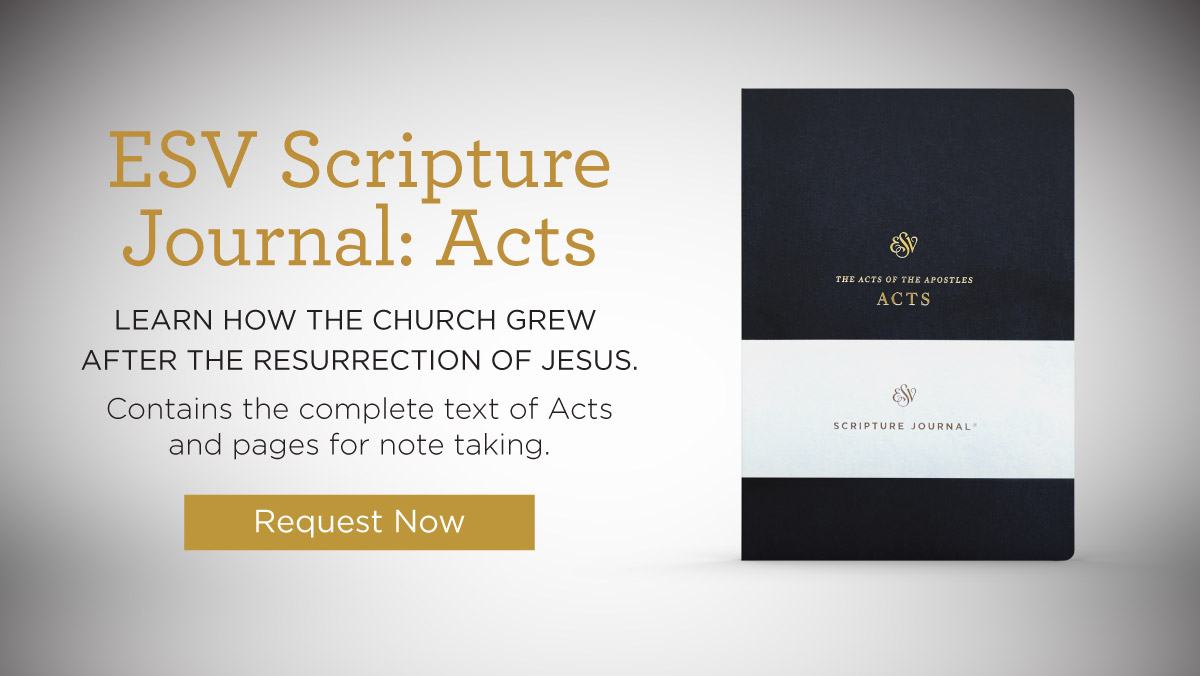
Make Your Study Personal! Use the ESV Scripture Journal for the Book of Acts
If you’ve never studied Scripture by taking notes and highlighting key sections right on the text itself, you’ll find that it’s a helpful way to enhance your learning. With the ESV Scripture Journal for the book of Acts, you’ll trace your way through the vital period after the resurrection of Jesus, learn how Christianity spread, and experience the missionary journeys of the apostle Paul. This travel-ready journal, which contains the text for the whole book of Acts, has plenty of room for sermon notes or personal reflection as you study.
Continue reading …Topics: Monthly Resources
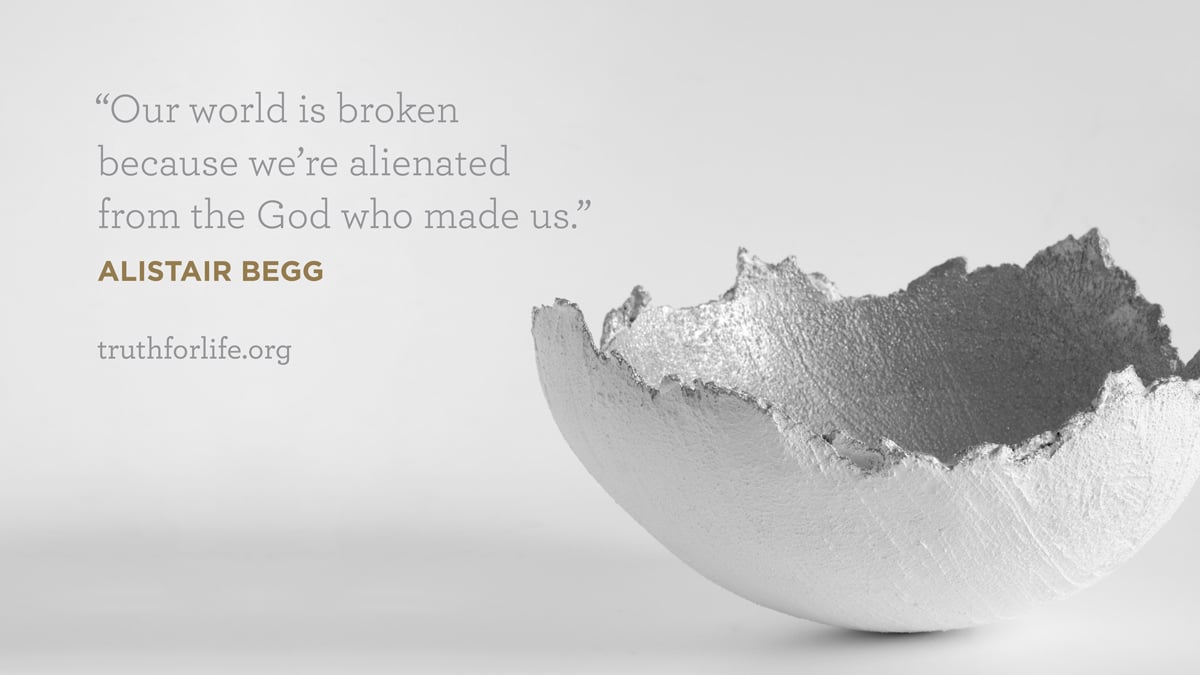
Wallpaper: Broken
“Our world is broken because we're alienated from the God who made us.”
—Alistair Begg
Topics: Weekly Wallpaper