The Sole Authority of God’s Word
In part one of this series, we examined the biblical pattern of reminder, and especially Peter’s effort to remind his readers of the basic truths of the Gospel, which he declares in 2 Peter 1:12–15 . By repeatedly coming back to the essentials, Peter sought to prevent his readers from being led astray by false teachers who denied Christ and the Gospel.
Continue reading …Topics: Articles
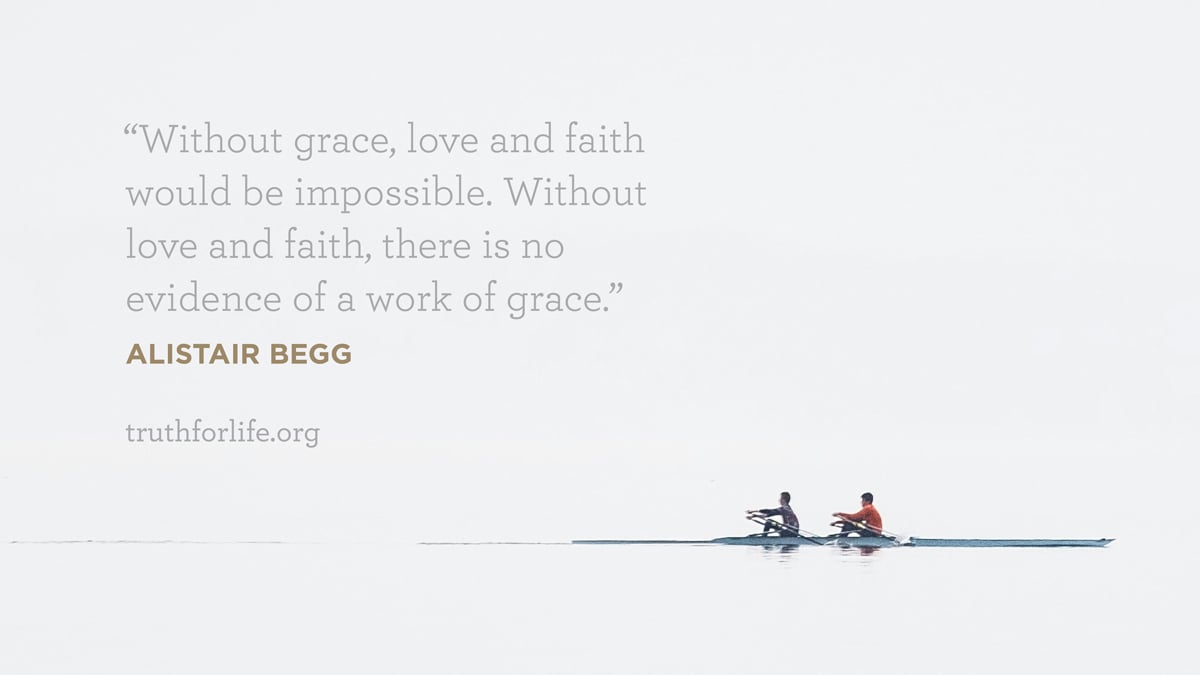
Wallpaper: Work of Grace
“Without grace, love and faith would be impossible. Without love and faith, there is no evidence of a work of grace.”
—Alistair Begg
Topics: Weekly Wallpaper
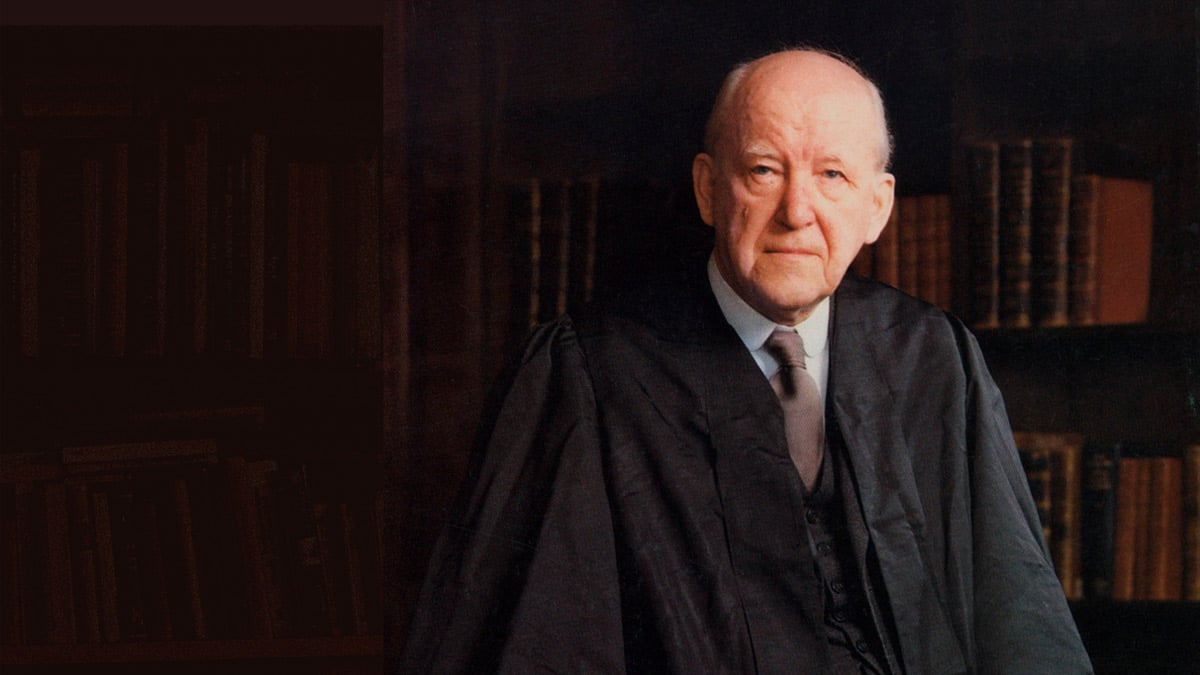
Martyn Lloyd-Jones: A Preacher by Divine Appointment
Dear Friend,
Warmest Christian Greetings. It is a privilege to write to you on a monthly basis and to hear from you in turn. Thank you for encouraging us as a team and for standing with us in the cause of the Gospel.
Continue reading …Topics: Letters From Alistair Begg
Christians Are not Stoics
Since Jesus’ disciples didn’t yet grasp the reality of His upcoming death and resurrection, they struggled to understand what He meant when He said, “A little while, and you will see me no longer; and again a little while, and you will see me.” In answer to their confusion, Jesus prepared them for His departure by comparing the cross to the agony and joy of childbirth. In his sermon “From Sorrow to Joy,” Alistair walks us through John 16:16–24, clarifying how, like the apostles, we, too, can be assured and rejoice.
Continue reading …
Christians Are Saved by Grace. But Then What?
In part one of this series, we examined the biblical pattern of reminder, and especially Peter’s effort to remind his readers of the basic truths of the Gospel, which he declares in 2 Peter 1:12–15. By repeatedly coming back to the essentials, Peter sought to prevent his readers from being led astray by false teachers who denied Christ and the Gospel. Pastors today should take a lesson from Peter and be deliberate in urging the essentials of the Gospel on their own congregations.
Continue reading …Topics: Articles
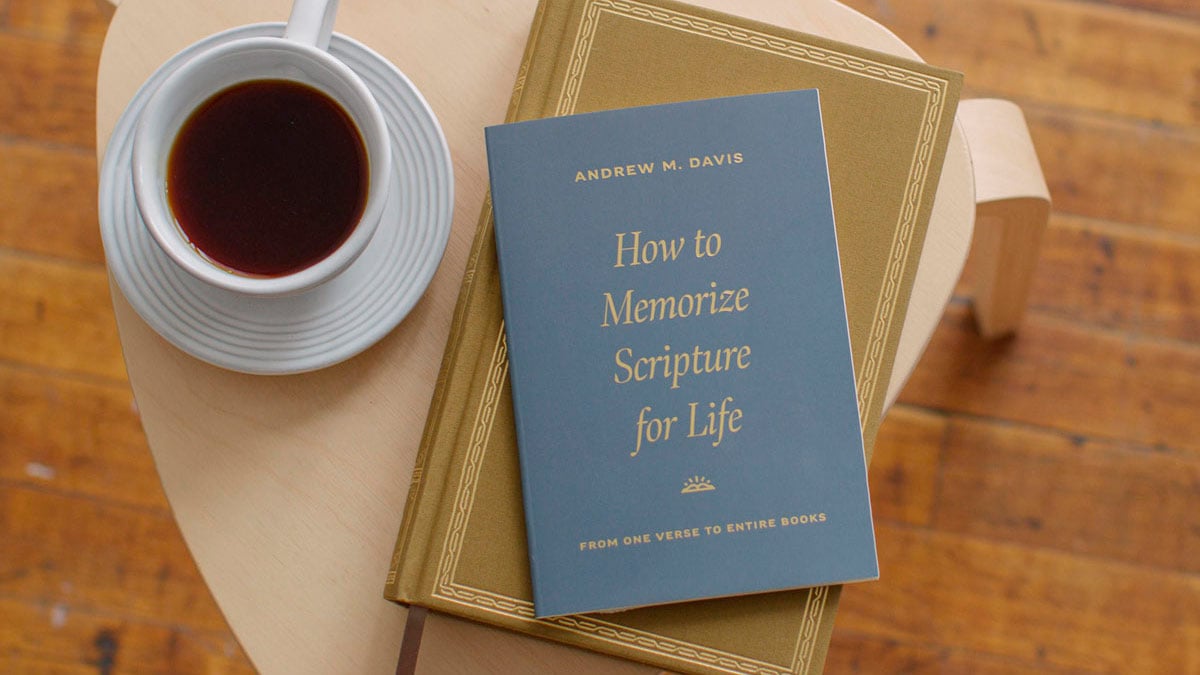
Do You Wish You Could Readily Quote Scripture?
If you have friends who can seemingly recite Scripture passages with ease, you might wonder how they do it—and wish that you, too, had full verses right there and accessible in your mind! Well, memorizing Scripture is easier than you think when you follow the simple pattern in the booklet How to Memorize Scripture for Life.
Continue reading …Topics: Monthly Resources
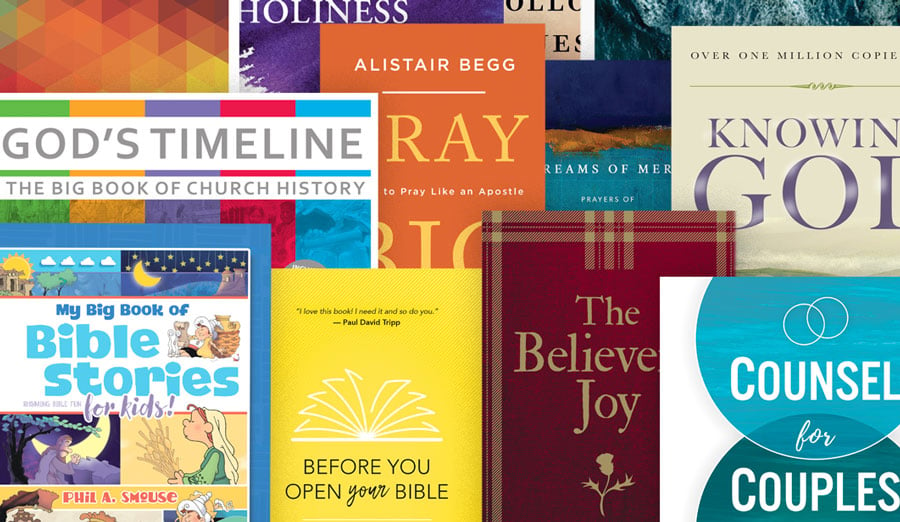
Past Resources from Truth For Life
At Truth For Life, we take great care to select books each month that cover a diverse range of topics and that will help you grow in your faith. Below, you’ll find a list of our past recommended resources. While we don’t currently have all of the titles in stock, you’re welcome to browse to find new titles for your personal library.
Continue reading …Topics: Monthly Resources
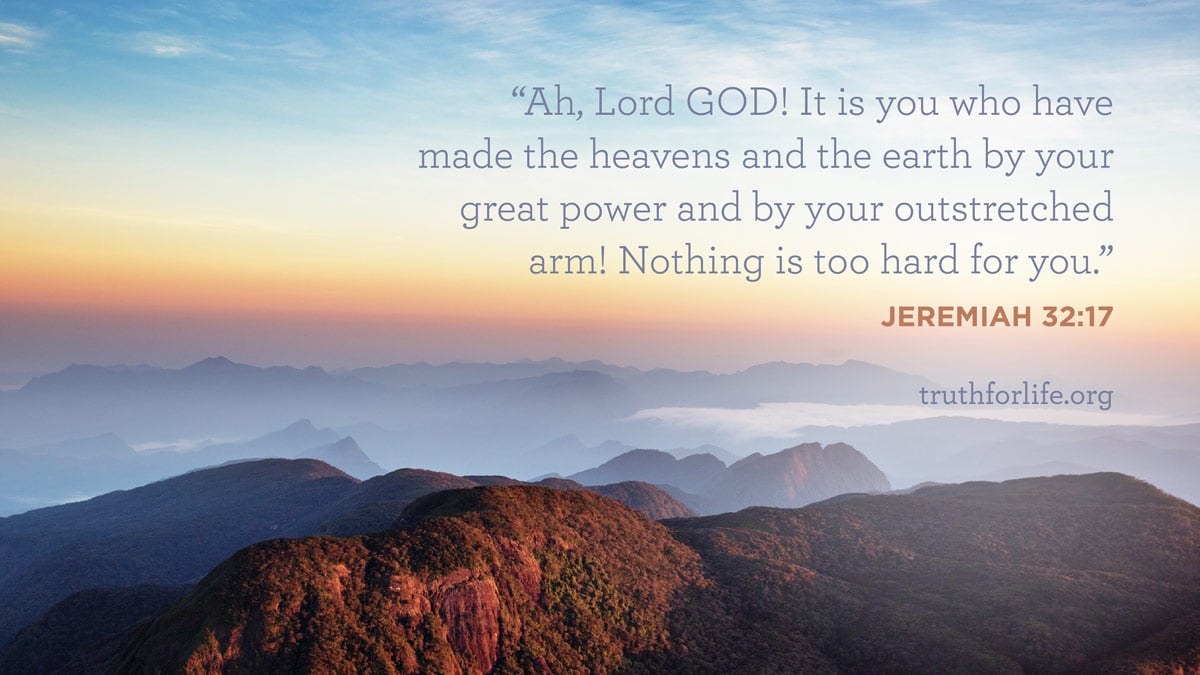
Wallpaper: Outstretched Arm
“Ah, Lord GOD! It is you who have made the heavens and the earth by your great power and by your outstretched arm! Nothing is too hard for you.”
Jeremiah 32:17
Topics: Weekly Wallpaper
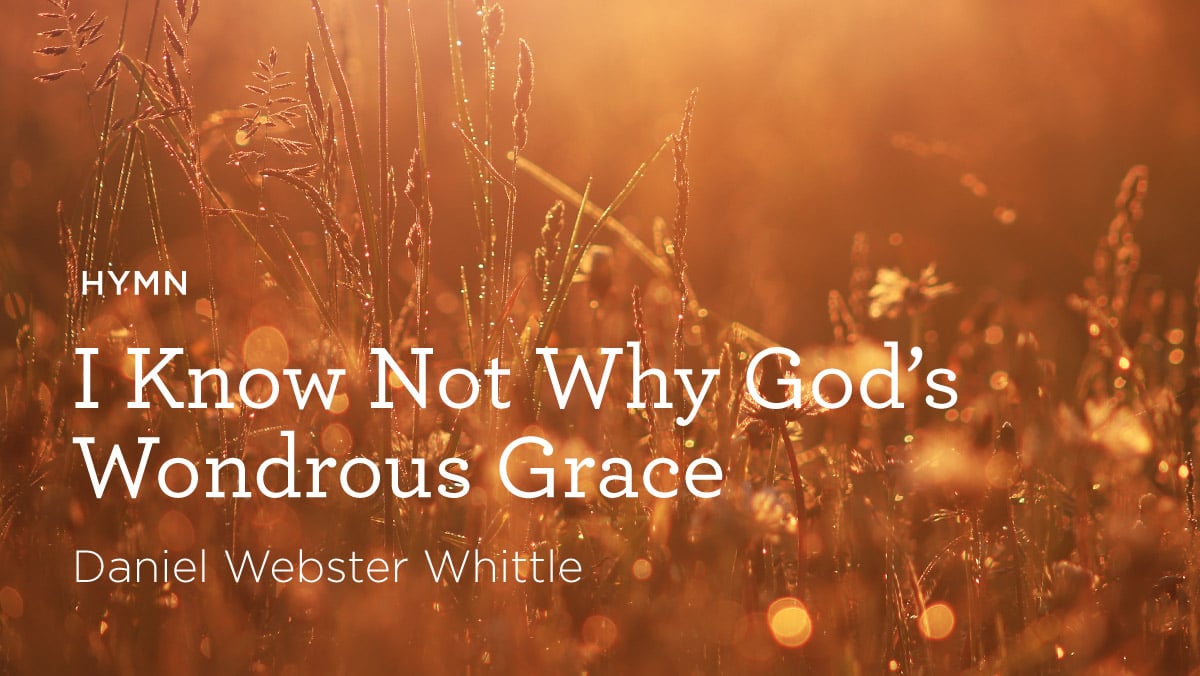
Hymn: “I Know Not Why God's Wondrous Grace” by Daniel Webster Whittle
I know not why God’s wondrous grace
To me He hath made known,
Nor why, unworthy, Christ in love
Redeemed me for His own.
Topics: Hymns and Worship

Hymn: “Who Is on the Lord’s Side?” by Frances Ridley Havergal
Who is on the Lord’s side? Who will serve the King?
Who will be His helpers, other lives to bring?
Who will leave the world’s side? Who will face the foe?
Who is on the Lord’s side? Who for Him will go?
By Thy call of mercy, by Thy grace divine,
We are on the Lord’s side—Savior, we are Thine!
Topics: Hymns and Worship