Hymn: “Who Is on the Lord’s Side?” by Frances Ridley Havergal
Who is on the Lord’s side? Who will serve the King?
Who will be His helpers, other lives to bring?
Who will leave the world’s side? Who will face the foe?
Who is on the Lord’s side? Who for Him will go?
By Thy call of mercy, by Thy grace divine,
We are on the Lord’s side—Savior, we are Thine!
Topics: Hymns and Worship

“The Old, Old Story” That Never Gets Old
For those in vocational ministry, there can be something unappealing about the basics. After all, many of us are educated, well-read, and (if only on our best days) reasonably thoughtful. We want to be able to demonstrate an advanced understanding of the material we’re preaching and teaching. People may begin to wonder why we are in the pulpit if we don’t offer some unique insight, some intriguing idea. Why should we need to tell them again and again what the text plainly says?
Continue reading …Topics: Articles
Hymn: “O Word of God Incarnate” by William Walsham How
O Word of God incarnate,
O Wisdom from on high,
O Truth unchanged, unchanging,
O Light of our dark sky,
We praise Thee for the radiance
That from the hallowed page,
A lantern to our footsteps,
Shines on from age to age.
Topics: Hymns and Worship
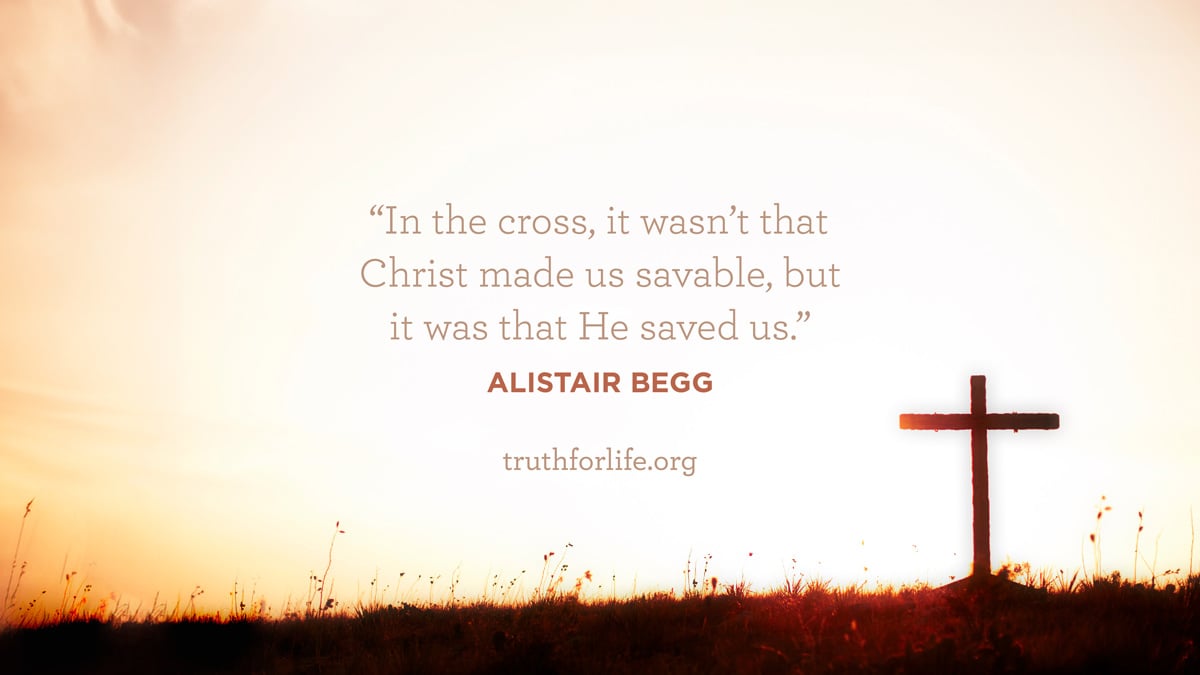
Wallpaper: He Saved Us
“In the cross, it wasn’t that Christ made us savable, but it was that He saved us.”
—Alistair Begg
Topics: Weekly Wallpaper

The Strength of Weakness and the Weakness of Strength
One the great tyrannies of our age is the lie that we will be most useful when we are as strong as we can be. We tell ourselves that God wants us to conquer all our challenges, to overcome the Evil One in frontal assault, to have our family and church and neighbors look to us and say, “Now there’s a strong servant of the Lord!”
Continue reading …Topics: Articles
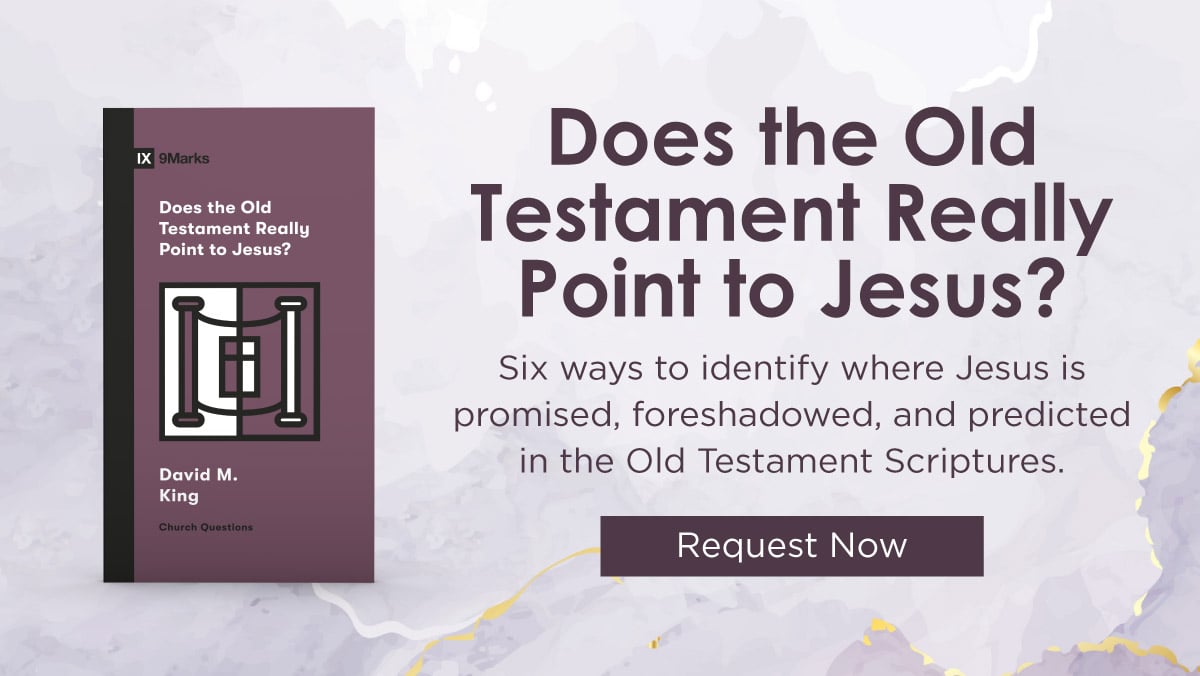
Does the Old Testament Really Point to Jesus?
Does the Old Testament Really Point to Jesus? explains six different ways you can identify Jesus foreshadowed and promised in the books of the Old Testament. You’ll even learn how the law of Moses points forward to Christ.
Continue reading …Topics: Monthly Resources
Wallpaper: The Great Reversal
“God is in charge of the great reversals; He turns us from darkness to light, from sadness to joy, from death to life.”
—Alistair Begg
Topics: Weekly Wallpaper
Lessons from a Former Demoniac — Extraordinary Encounters with Jesus
The Bible is a book about Jesus. While we certainly should read our Bibles with personal application in mind, we must ultimately ask, “Where is Jesus in this passage?”
Continue reading …Topics: Articles
Wallpaper: Keep His Commandments
“For this is the love of God, that we keep his commandments. And his commandments are not burdensome.”
1 John 5:3
Topics: Weekly Wallpaper

Comfort for Those Who Are Doubting God’s Presence
Writing in Psalm 139, David asks several thought-provoking questions. Having already marveled at the fact that God knows everything (vv. 1–6), he probes further: “Where shall I go from your Spirit? Or where shall I flee from your presence?” (v. 7). In other words, David asks whether a believer can hide from God. “Can I find an escape route,” the psalmist wonders, “from the God who searches me and knows everything about me?” It’s a question that deserves our attention.
Continue reading …Topics: Articles